The short version: Hotels are one of the largest SBA 7(a) categories by dollars, and a handful of banks write most of those loans. The banks that say yes to hospitality already run heavy commercial books, carry real capital cushions, and keep bankers who know what a flag and a PIP are. Below we name six of them with their real Q1 2026 call report numbers. One honest caveat up front: the call report does not break lending out by industry, so the hospitality fit notes here reflect each bank's public reputation, not a line item we can point to.
Why hotel borrowers get bounced around
A hotel deal is not a generic small-business loan, and most bankers know it the moment you say the word. You are buying a single-purpose building whose revenue moves with how many rooms you fill tonight. A bank that happily funds a dentist or a machine shop can go quiet fast when the collateral is a 78-room limited-service property off the interstate. So borrowers end up calling bank after bank, repeating the same pitch, and collecting polite declines from credit officers who were never going to touch hospitality.
The frustrating part is that this is mostly predictable. The banks that fund hotels are not a mystery. They publish what kind of lending they do every quarter, and the ones built for business credit stand out from the ones that mostly write home loans. You can read that before you dial. What you cannot read off the call report is the industry tilt, because the filing does not split loans by sector. That gap is where reputation and SBA program data come in.
SBA 7(a) money tends to show up at specific moments in a hotel's life: buying the property, paying for a brand-mandated renovation, building from the ground up, refinancing, or converting from one flag to another. Most 7(a) hotel deals run somewhere between $2M and $5M. Bigger projects push into SBA 504 or conventional financing. If your number sits in that band and you have a flag, the right lender list is short.
What lenders look for in hotel borrowers
Lenders are careful with hotels for reasons that are easy to understand once you see them laid out. Revenue swings with RevPAR (revenue per available room). Fixed costs stay high whether the rooms fill or not. Brand and flag requirements bring mandatory PIP spending on a clock the franchisor sets. The real estate is single-purpose, so if the deal goes sideways the bank cannot easily repurpose the building. Demand is seasonal, and the whole thing is management-intensive in a way a triple-net retail strip never is.
Because of all that, a hotel lender usually wants a thicker cushion than it would ask of a stabilized property. A debt-service coverage ratio around 1.4x or better is common, where a plain CRE deal might clear at 1.25x. The underwriter will dig into STR and RevPAR data, the franchise or flag agreement, the PIP budget and the reserve behind it, local supply, the operator's track record, and the ADR and occupancy trend. If you want to model the coverage yourself before the call, our DSCR calculator and SBA loan calculator both help.
The deals that fall apart usually share a pitfall. Under-reserving for the PIP is the classic one: the brand demands $1.2M of upgrades and the borrower budgeted half that. Buying a tired independent with no flag is another, because the bank cannot lean on a national reservation system to backstop occupancy. And overestimating how fast a renovated property ramps back to stabilized occupancy will sink a pro forma that looked fine on paper. A lender that has done a hundred of these will spot all three in your first email.
Six banks that fund hospitality
Below are six banks with their real Q1 2026 call report figures. The numbers (assets, C&I share, CRE share, equity-to-assets) are from the FFIEC filing and are presented as reported. The fit note under each one is about the bank's public lending reputation in hospitality, not something the call report shows. None of this is a recommendation, and none of it claims a specific hotel-loan count, because that is not on the call report.
Live Oak Banking Company (Wilmington, NC)
Assets: $15.2B · C&I share: 37.1% · CRE share: 46.3% · Equity/assets: 7.7%
Live Oak is the country's largest SBA 7(a) lender by dollars, and it runs a dedicated hospitality vertical staffed with bankers who already speak flag and PIP. Its book leans heavily toward business credit, and at 37.1% C&I it is built to underwrite the kind of deal a generalist declines on sight. ROA of 0.95% and NIM of 3.27% round out a lender that does this work on purpose. If your hotel deal is clean, this is a first call.
Celtic Bank Corporation (Salt Lake City, UT)
Assets: $5.0B · C&I share: 45.9% · CRE share: 45.3% · Equity/assets: 17.9%
Celtic is a top-five SBA 7(a) lender and one of the best-capitalized banks on this list, with equity-to-assets at a striking 17.9%. That cushion matters for hotels, because a bank near its limits turns cautious on single-purpose collateral first. Celtic is active in hospitality nationwide and runs a hot franchise: ROA of 3.39% and NIM of 5.93% are far above the pack. The capital and the appetite both point the right way.
Newtek Bank, N.A. (Miami, FL)
Assets: $2.2B · C&I share: 39.6% · CRE share: 49.5% · Equity/assets: 8.4%
Newtek is NewtekOne's bank, a high-volume SBA 7(a) originator that includes hospitality in its mix. The book splits almost evenly between C&I and CRE, which fits a hotel deal that is part operating business and part real estate. ROA of 4.15% is the highest here, a sign of a lender wringing real return out of small-business credit. Newtek moves fast, so come with a tight package and it will move with you.
Byline Bank (Chicago, IL)
Assets: $9.9B · C&I share: 31.1% · CRE share: 45.5% · Equity/assets: 13.9%
Byline is a top-tier SBA 7(a) lender with a national small-business group, and at 13.9% equity-to-assets it carries room to underwrite. The mix tilts toward CRE with a healthy commercial slice, which is the shape you want behind a property purchase or a renovation draw. ROA of 1.69% and NIM of 4.49% read as a steady, profitable shop rather than a stretched one. For a Midwest hotel deal in particular, Byline belongs on the list.
Stearns Bank, N.A. (St. Cloud, MN)
Assets: $3.3B · C&I share: 51.3% · CRE share: 39.8% · Equity/assets: 16.1%
Stearns is an SBA specialist with the highest C&I share on this list at 51.3% and a very strong 16.1% capital base. That combination matters for hotels, because Stearns is known for being comfortable with single-purpose property risk that scares off thinner banks. ROA of 2.09% and NIM of 5.83% show a lender that earns well on the kind of credit others avoid. If your deal has a wrinkle, this is the bank that may still listen.
Wells Fargo Bank, N.A. (Sioux Falls, SD)
Assets: $1.85T · C&I share: 20.1% · CRE share: 12.9% · Equity/assets: 9.3%
Wells Fargo is the mega-bank option, best suited to the larger end of hotel deals where a $5M cap stops being the ceiling. Its commercial share is modest as a slice of an enormous balance sheet, but the absolute dollars and national reach are real. ROA of 1.37% and NIM of 3.02% are mega-bank typical. The trade-off is the one all big banks bring: a tight credit box and less patience for a deal that needs a human to think hard about it.
How to get a yes faster
Once you have the right two or three banks, the rest is about showing up prepared. Hotel bankers triage hard, and the borrower who arrives with the package already built jumps the line. Bring these, and bring them before they ask:
- The STR report. It is the first thing a hotel underwriter wants, and not having it signals you are early.
- The flag commitment or franchise agreement, so the bank can see the brand standing behind your occupancy.
- A PIP budget with a real reserve behind it, sized to what the brand actually demands, not to what you hope it costs.
- Your operating history. A track record running hotels carries more weight here than in almost any other deal type.
Ask for the SBA team by name, not the general line, and call the top two banks in parallel rather than working all six at once. Two engaged bankers create real tension on your terms. Six half-started files just multiply your paperwork and leave a trail of inquiries for the next underwriter to frown at.
That is the open-book version. The harder part is scoring every hospitality-active lender against your specific deal: your loan size, your flag, your market, your operating history, and the SBA volume data that does not sit on the call report. That last part is what our $49 ranked PDF builds for you, so you get a phone-call order instead of a directory.
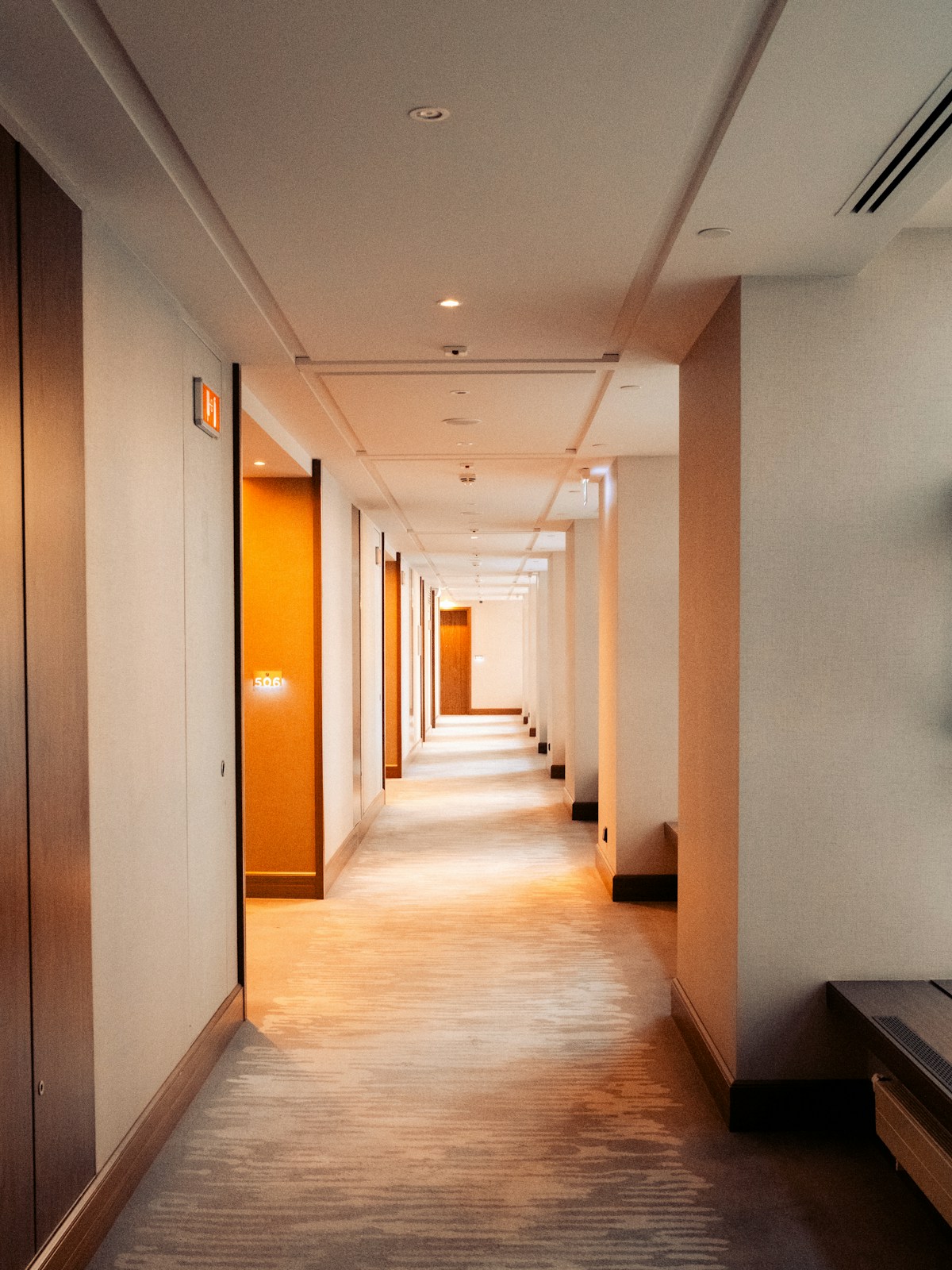
Photo by Alex Naino on Unsplash. Bank figures from FFIEC call reports for the quarter ending March 31, 2026; SBA-vertical and industry-appetite notes reflect each lender's public lending reputation, not the call report.