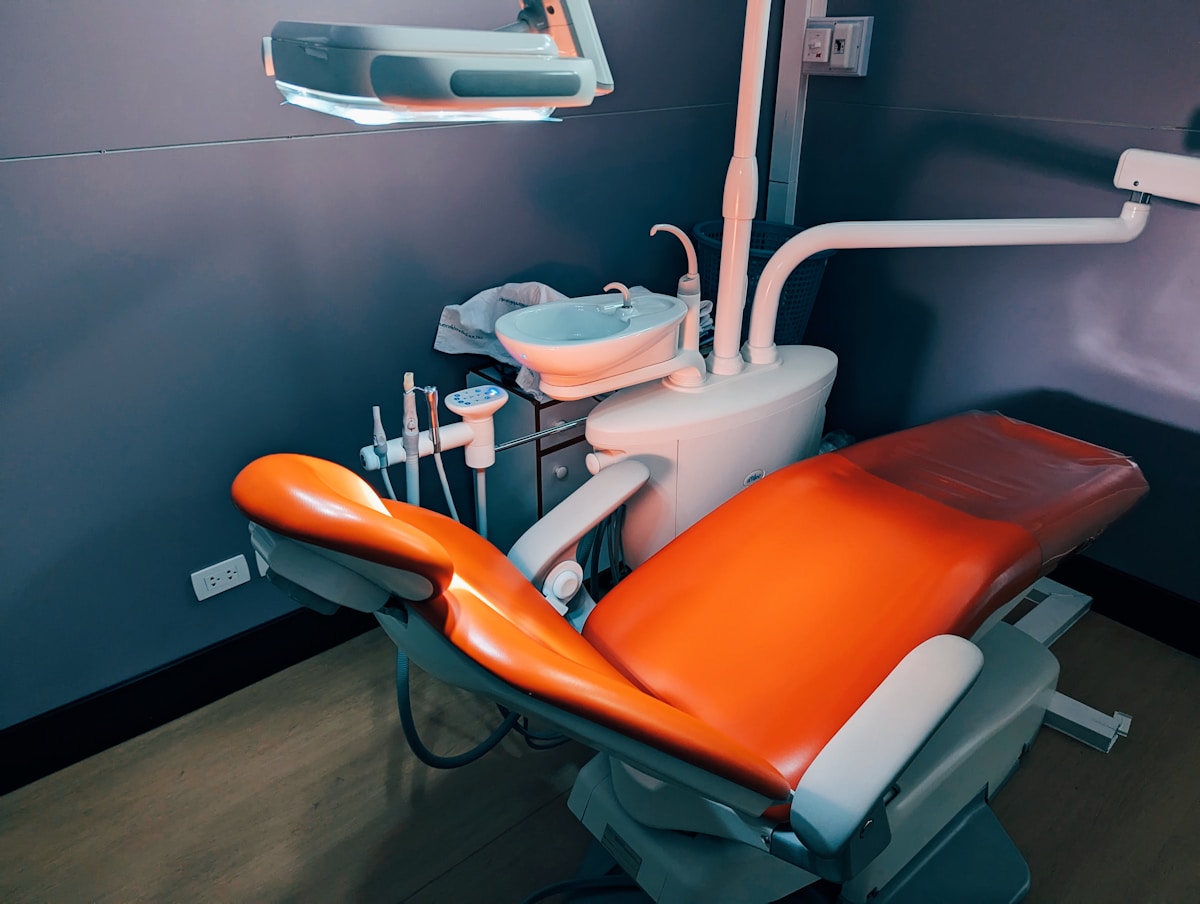
The short version: A dental practice is one of the easiest small businesses in America to finance. Default rates are low, the cash flow is steady, and the owner is a high-income professional. Banks know this, so they compete for these loans instead of dragging their feet on them. The trick is calling the lenders that already run a dental or healthcare desk, not the branch nearest your office. Below are six banks active in practice finance, with their real Q1 2026 call report numbers and an honest note on where the data ends and reputation begins.
Why dental is the deal banks actually want
Most small-business loans make a banker nervous. A restaurant can close in a year. A retail shop lives or dies on foot traffic. A dental practice does neither. People keep their teeth in a recession, recall hygiene appointments come back like clockwork, and a practice with a patient base of a few thousand has revenue you can almost set your watch by. Lenders track default rates by industry, and dental sits near the bottom. That low loss rate is the whole reason banks line up for these deals.
The SBA 7(a) program is the usual vehicle. Borrowers use it to buy out a retiring dentist, open a startup office from scratch, finance operatory equipment like chairs, a CBCT scanner, or CAD/CAM, fund an expansion or relocation, buy into a partnership, or refinance older practice debt. Loan sizes typically land between $300K and $2.5M. Acquisitions often get financed at a high loan-to-value, which would scare a bank in most industries. In dental it does not, because the cash flow behind the loan is so dependable.
Here is the part borrowers underrate. When you buy a practice, most of the price is goodwill, not hard assets. You are not buying a building full of equipment you could resell. You are buying a patient list and a name on the door. A generalist bank sees an unsecured purchase and flinches. A practice-finance lender sees a recurring revenue stream and reaches for the pen. Same deal, two completely different reactions, and the difference is entirely about whether the bank has done this before.
What lenders look for in dental borrowers
Underwriting a practice loan is less about your personal credit score than borrowers expect, and more about whether the practice throws off enough cash to cover the new debt plus a reasonable salary for you. The first thing an underwriter reads is production and collections history: what the practice billed, what it actually collected, and how those two numbers track over the last three years. A practice that produces a lot but collects poorly is a red flag dressed up as a good one.
After that, they look at payer mix, hygiene recall rates, and the demographics of the local market. They want to know whether you can clinically run the practice you are buying, because a strong practice in the wrong hands stops being strong fast. They model post-acquisition cash flow and check that it services the loan with room to spare. A dental-specific lender knows what a healthy production-per-operatory number looks like; a generalist is guessing, and guessing usually means a slow no.
The pitfalls they price for are predictable. Overpaying for a practice whose collections are quietly declining. Transition risk, where the selling dentist walks out the door on closing day and takes patient loyalty with them. Losing a key hygienist or an associate the patients actually came to see. If you want to make an underwriter comfortable, address those three risks before they ask. A good DSCR calculator will tell you in advance whether the post-acquisition numbers clear the bar a lender will set.
Six banks that compete for dental loans
The numbers in each stat line are real Q1 2026 FFIEC call report figures. The call report does not break out lending by industry, so it cannot tell you a bank's dental exposure. What it does tell you is the size and shape of the loan book, which is a useful read on whether a bank is built for commercial lending at all. The dental and practice-finance notes reflect each lender's public reputation, not the call report. Treat the stats as fact and the fit notes as informed context.
Live Oak Banking Company (Wilmington, NC)
Assets: $15.2B · C&I share: 37.1% · CRE share: 46.3% · Equity/assets: 7.7%
Live Oak is the country's largest SBA 7(a) lender by dollar volume, and its book is built around specific industries rather than a single geography. It runs dedicated healthcare and dental verticals, which means the person reading your file has likely seen a hundred practice acquisitions before yours. ROA sits at 0.89% and NIM at 3.19%. The catch with specialists is that they have firm opinions on the deals they like, so come with clean collections history.
Huntington National Bank (Columbus, OH)
Assets: $284.1B · C&I share: 28.1% · CRE share: 20.3% · Equity/assets: 11.7%
Huntington is the top SBA 7(a) lender by loan count, which tells you it has the appetite and the volume machine to process practice deals fast. It has run a practice-finance group aimed at dentists for years, so it knows the vertical well. ROA is a healthy 0.99% and NIM 3.12%, and at 11.7% equity-to-assets the capital cushion is comfortable. A strong first call if you want a big-bank balance sheet with a team that still speaks dental.
First Internet Bank of Indiana (Fishers, IN)
Assets: $5.7B · C&I share: 29.3% · CRE share: 37.3% · Equity/assets: 7.6%
A branchless national lender with a healthcare and practice-finance program and small-balance SBA offerings. Because it operates online rather than through branches, geography matters less here than at a regional bank, which helps if you are buying a practice in a market where the local banks have no dental experience. ROA is on the thin side at 0.32% and NIM 2.37%, so expect a careful underwriter, but the practice-finance focus is real.
TD Bank, N.A. (Wilmington, DE)
Assets: $345.6B · C&I share: 14.0% · CRE share: 18.4% · Equity/assets: 14.5%
A large East Coast bank with a known healthcare practice-finance group. The C&I share is lower than the specialists on this list, so commercial lending is a smaller slice of a very big book, but the practice-finance team handles dental deals as a routine product. Capital is strong at 14.5% equity-to-assets, ROA 0.73%, NIM 2.91%. Best suited to borrowers in TD's eastern footprint who want a bank that already runs a dedicated practice desk.
U.S. Bank, N.A. (Cincinnati, OH)
Assets: $683.4B · C&I share: 22.2% · CRE share: 12.0% · Equity/assets: 9.9%
Among the big national banks, U.S. Bank is a top SBA 7(a) lender and stays active in practice finance. ROA is the strongest of the group at 1.17%, with NIM 2.54% and a solid 9.9% equity-to-assets. The national footprint means there is probably a branch and an SBA team within reach wherever the practice sits. Ask for the SBA or healthcare lending desk directly so your file does not start its life in the retail queue.
Wells Fargo Bank, N.A. (Sioux Falls, SD)
Assets: $1.85T · C&I share: 20.1% · CRE share: 12.9% · Equity/assets: 9.3%
The mega-bank on the list, and a national SBA participant with reach into nearly every market. ROA leads the group at 1.30%, NIM is 2.85%, and equity-to-assets sits at 9.3%. At this size a $1M practice loan is a small deal, so the value is the footprint and the SBA program rather than boutique attention. Worth a call, especially if you already bank with Wells and can get routed to someone who handles practice acquisitions.
How to get a yes faster
The single biggest mistake dental borrowers make is calling the general line and asking whether the bank does business loans. The deal lands on a retail desk, gets a polite shrug, and stalls. Ask for the SBA team or the healthcare practice-finance group by name. Then show up with the documents that let them underwrite quickly, because the lender that can say yes first usually wins the deal. Bring these:
- Three years of practice financials, including production broken out by provider and collections against that production.
- The seller's transition plan, so the bank can see the retiring dentist is not vanishing on closing day.
- Your own clinical credentials and a short note on how you will retain the patient base.
- A use-of-funds breakdown and the post-acquisition cash flow you expect.
Run the deal math before you dial. The SBA loan calculator shows your monthly payment under the program's terms, and the DSCR calculator linked above tells you whether the practice covers it with cushion to spare. Walking in with those numbers signals a borrower who has done the homework, and underwriters triage their time toward exactly those people.
All six banks above are credible places to start, but the right order for your specific deal depends on geography, loan size, and the industry slice none of them publish on the call report. That is what the $49 Borrower Assist report sorts out: it scores lenders against your scenario and hands you a prioritized phone-call sequence instead of a six-name list to work in the dark.
Photo by note thanun on Unsplash. Bank figures from FFIEC call reports for the quarter ending March 31, 2026; SBA-vertical and industry-appetite notes reflect each lender's public lending reputation, not the call report.